

Beat the Freeze: McQuillan Home Services Issues Emergency Guide for Preventing Frozen and Burst Pipes in Cold MN Weather
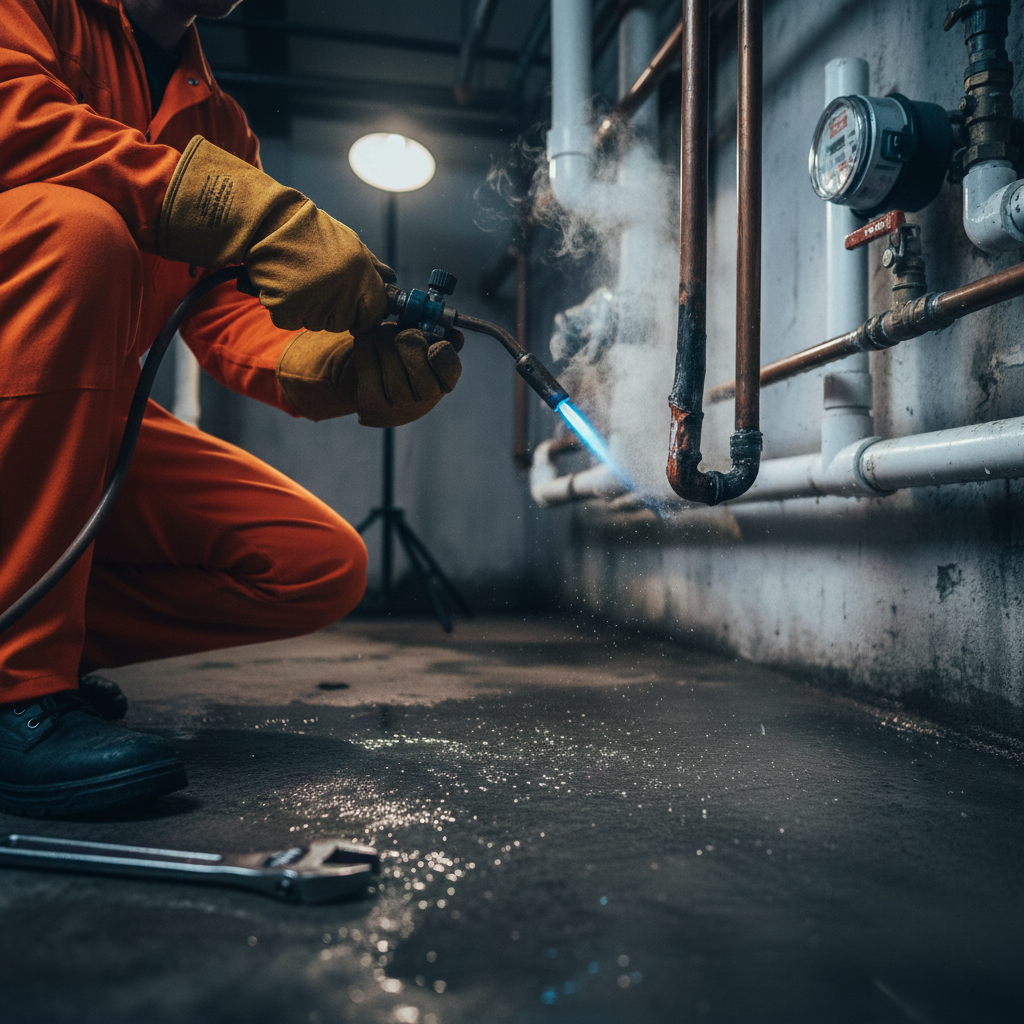
Plumber using torch to repair leaking copper pipe in utility room.
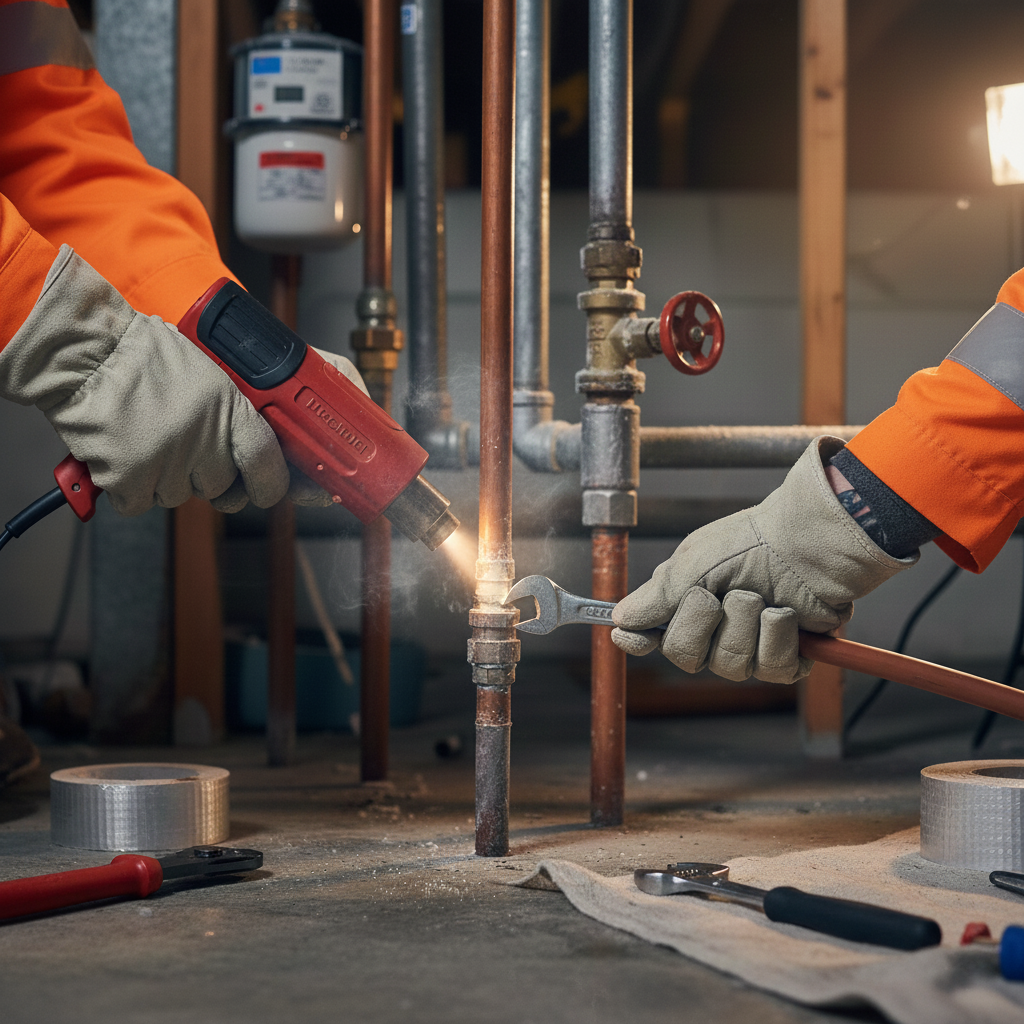
Plumbers heating and tightening copper pipe fittings during repair.
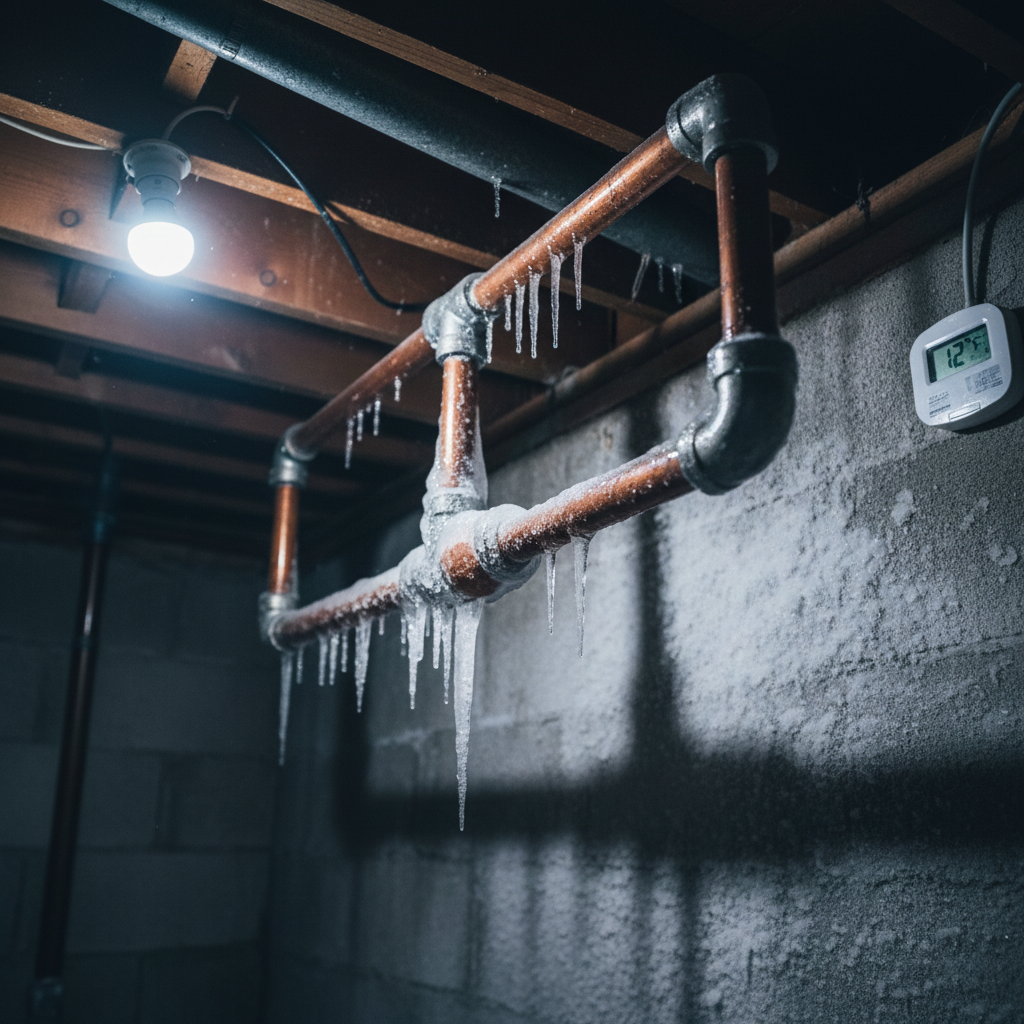
Frozen basement pipes covered in ice and icicles during extreme cold.

McQuillan Home Services releases a protocol for MN homeowners on pipe failure science, prevention standards, and emergency response to extreme cold.
SAINT PAUL, MN, UNITED STATES, December 2, 2025 /EINPresswire.com/ -- McQuillan Home Services, a long-standing service provider in the Twin Cities metropolitan area, has issued a comprehensive, fact-based protocol designed to assist homeowners in mitigating the risk of frozen and burst water pipes during the imminent periods of extreme cold typical of the Minnesota winter. The advisory, developed through analysis of decades of regional service data, provides detailed instruction on structural prevention, immediate thawing procedures, and critical emergency response standards for residential properties. The release of this guide is positioned as a public service announcement aimed at reducing property damage and associated insurance claims resulting from common winter plumbing failures.The initiative by McQuillan Home Services addresses a recurring challenge faced by homeowners across the upper Midwest, where prolonged exposure to sustained ambient temperatures below the 20 degree threshold significantly increases the probability of structural damage to residential water systems. The guide emphasizes that successful mitigation relies on both preemptive action and adherence to a strict, multi-step response plan in the event of pipe freezing or rupture. The company, which traces its operational history in the region back to 1883, states that this advisory reflects an aggregation of institutional knowledge regarding local climate resilience and property maintenance standards.
The core of the advisory focuses on the scientific mechanics of pipe failure, challenging the common public perception that the physical expansion of ice is the sole cause of rupture. While water does expand by approximately nine percent upon freezing, the more immediate and destructive mechanism is the resulting hydraulic pressure. When an ice blockage forms within a pipe, often in an unheated or poorly insulated section, it isolates the volume of water between the blockage and the nearest closed faucet. As the water supply main continues to exert pressure, this trapped column of water experiences hydrostatic stress, which can rapidly elevate internal pipe pressure to levels exceeding 2,000 pounds per square inch (PSI). This immense force causes the pipe to fail at a structurally weak point, frequently located far from the actual ice plug. This critical distinction informs the protocol’s primary preventative measure: maintaining flow to relieve potential pressure buildup.
Effective prevention, according to McQuillan, begins with a detailed assessment of a home’s most susceptible structural areas. In the Minnesota climate, several common residential zones consistently present the highest risk of thermal failure. These areas include: unheated or poorly insulated crawlspaces and basements where pipes run along the perimeter; plumbing runs situated within exterior wall cavities, particularly those facing prevailing winter winds; and supply lines located within kitchen and bathroom cabinets affixed to external walls, where doors may trap pockets of frigid air. The protocol specifies that property owners should prioritize the insulation and monitoring of these segments.
The guide outlines specific, actionable steps for both long-term winterization and immediate defense during periods of extreme cold. For long-term preparedness, the advisory stresses the necessity of sealing all air leaks (using caulk or expanding foam) where electrical conduits, vent pipes, or water lines penetrate the foundation or exterior siding, as even minor air infiltration can expose the pipe to wind chill. Additionally, the mandatory disconnection, draining, and covering of all outdoor hose bibs and spigots is documented as a non-negotiable step to prevent ice from backing up into the interior supply lines.
In preparation for forecasts predicting sustained low temperatures, the protocol recommends increasing the home's heating threshold. While standard conservation efforts often encourage thermostat reductions, McQuillan Home Services advises maintaining a minimum indoor temperature of 60 degrees throughout the property, and preferably 65 degrees in older structures with compromised insulation. Furthermore, the advisory formalizes the practice of allowing cold water faucets to run at a continuous, slow trickle overnight or during periods of absence. This slight movement of water, while modest, serves the critical function of preventing the zero-pressure conditions required for the formation of a destructive hydraulic pressure plug.
A spokesperson for McQuillan Home Services commented on the significance of the protocol. “Our role in the community extends beyond repair; it includes education informed by over 140 years of service in this state. The extreme variability of Minnesota winters means that ‘preparedness’ is not a suggestion, it is a structural mandate. This guide is a distillation of generations of experience, offering practical, objective advice that directly addresses the unique engineering challenges presented by the deep North American freeze. Our commitment is to structural integrity, ensuring that homeowners have the facts they need to protect their investment from preventable disasters.”
The advisory also details the appropriate and safe response should a homeowner suspect a pipe is frozen but has not yet ruptured. The first procedural step is to confirm the location of the main water shut-off valve and ensure its operational status, preparing for immediate crisis response. If a pipe is accessible, homeowners are advised to open the nearest faucet to relieve internal pressure and then apply gentle, diffused heat, such as that provided by an electric hair dryer, heating pad, or towels soaked in hot water, beginning at the faucet and moving toward the suspected blockage. The protocol issues a strict prohibition against the use of open flames, including propane torches or kerosene heaters. Such devices pose a direct fire risk and can cause rapid, uneven heating that leads to immediate pipe rupture in plastic materials or compromised joints. If the frozen pipe segment is located within a wall or ceiling, the instruction is unambiguous: the homeowner should cease all independent thawing attempts and contact a licensed professional to prevent catastrophic structural damage.
Should a full burst pipe occur (an event often signaled by the sound of rushing water and an immediate drop in water pressure), the protocol mandates a swift, sequential emergency response to minimize property damage and prevent ancillary hazards.
The Three Mandated Emergency Standards:
1. Immediate Water Shut-Off: Locate and activate the main shut-off valve to halt the flow of water into the residence. This action is paramount for damage mitigation.
2. Electrical Disablement: If the escaping water is near any electrical fixtures, outlets, or the main service panel, the homeowner must immediately turn off the electricity to the affected zone or the entire house via the breaker box. This is a non-negotiable safety procedure to prevent the risk of electrocution and electrical fire.
3. System Drainage: After the main valve is closed, all faucets, both hot and cold, must be opened and all toilets flushed once. This action drains the remaining water pressure from the entire system, minimizing the volume of water discharged through the rupture.
A McQuillan Home Services spokesperson elaborated on the importance of the immediate response sequence. “When a burst occurs, the danger is not the water you see, but the water that continues to flow unabated. Our data shows that in a standard residential property, the pressure release can introduce hundreds of gallons of water per hour into the structure. The core engineering standard in that moment is immediate pressure cessation. Knowing the location of the main valve is the most effective piece of preventative maintenance a homeowner can execute. When our Emergency Plumbing Repair teams arrive on site, their first question is always whether the water supply has been secured. This allows us to transition directly from mitigation to the highly specialized repair process.”
The release of this comprehensive protocol is timely, given recent trends indicating an increase in the frequency and intensity of extreme weather events, which are contributing to a corresponding rise in property damage insurance claims related to water intrusion. Data from regional insurance adjusters consistently shows that frozen pipe events are among the costliest and most common residential claims during the winter months, often resulting in complex restoration procedures due to mold risk, damaged drywall, and compromised structural materials. The detailed guidance provided by McQuillan Home Services thus provides a valuable resource for both the public and the property insurance industry seeking to standardize effective preventative action.
Furthermore, the document explains that professional Frozen Pipe Repair extends beyond simply patching the rupture. A professional service must incorporate advanced diagnostic tools to locate the exact extent of the ice blockage and the full scope of structural failure, often using specialized infrared or video inspection equipment. Following the repair, the standard mandates a detailed examination of the affected area to recommend appropriate insulation and rerouting techniques that minimize the chance of recurrent freezing in the same location. This systematic approach is critical for the long-term integrity of the plumbing infrastructure in a climate defined by freeze-thaw cycles.
The guide highlights that the professional response involves several distinct phases, each requiring specialized expertise. The initial emergency phase focuses solely on securing the water supply and conducting a preliminary damage assessment. The second phase, the technical repair, involves safely thawing the system (if required) and permanently restoring the pipe integrity. The final phase involves post-repair evaluation, ensuring all necessary winterization enhancements such as permanent heat cable installation or targeted insulation upgrades are implemented to prevent future incidents. This structured approach is fundamental to maintaining a high standard of Minnesota Plumbing excellence.
The historical context of McQuillan Home Services supports the authoritative nature of the guide. Operating continually since 1883, the company has navigated over a century of climate fluctuations, infrastructure evolution, and technological advancements in home systems. McQuillan provides recommendations that are specifically adapted to the demands of the region's infrastructure, which includes varying pipe materials and construction techniques across different eras of housing development. The company notes that while plumbing technology has advanced from galvanized iron to copper and PEX, the fundamental challenge posed by Minnesota's cold remains constant, necessitating timeless and reliable standards of preventative care. The release concludes that effective risk management requires property owners to adopt a proactive stance, treating the winterization process as an annual, essential component of home maintenance.
About McQuillan Home Services
McQuillan Home Services is a comprehensive residential service provider based in St. Paul, Minnesota, specializing in plumbing, heating, cooling, and electrical systems. Founded in 1883, the organization is a family-owned entity with a history exceeding 140 years of service in the Twin Cities region. The company operates on a foundation of providing technically proficient, dependable, and essential infrastructure maintenance and repair services. McQuillan Home Services is licensed and insured, offering routine maintenance, installation, and 24/7 emergency repair services across multiple trades to residential customers.
Sami Celio
McQuillan Home Services
email us here
Visit us on social media:
LinkedIn
Instagram
Facebook
X
Legal Disclaimer:
EIN Presswire provides this news content "as is" without warranty of any kind. We do not accept any responsibility or liability for the accuracy, content, images, videos, licenses, completeness, legality, or reliability of the information contained in this article. If you have any complaints or copyright issues related to this article, kindly contact the author above.
